In today’s world of work, psychological wellbeing can no longer be conceived as a generic or abstract concept. Each of us responds to and adapts differently to daily demands: some people work well under pressure, others thrive with pauses and silence; on some days we are clear-headed, on others more fragile. This reminds us of a simple yet fundamental truth: there is no single model of wellbeing that works for everyone.
Listening as the first step toward mental health
Mental health begins with listening — not only to what we observe around us, but above all to what happens within: emotions, rhythms, and individual needs. In an era in which stress and burnout are increasingly widespread, the ability to listen to physical and psychological signals becomes an act of personal and organizational responsibility.
According to recent research, in Italy one worker out of five is at risk of stress-related burnout due to pressure and high expectations in the workplace. Thirty-one percent of workers report feeling always or often tired, 28% experience excessive anxiety, and around 7 out of 10 workers call for greater mental health support within their organizations.
These figures show that mental wellbeing is not a “luxury,” but a concrete priority for the sustainability of modern work.
Why individual wellbeing matters to organizations
A work environment that acknowledges the diversity of people’s needs not only improves individual quality of life, but also generates tangible organizational benefits:
- Greater motivation and productivity
- Reduced turnover and stress-related absenteeism
- A more positive work climate
- Deeper employee engagement
This is why many companies are rethinking their wellbeing strategies, moving beyond superficial measures such as one-off events or standardized benefits.
A guided, human, and evidence-based approach
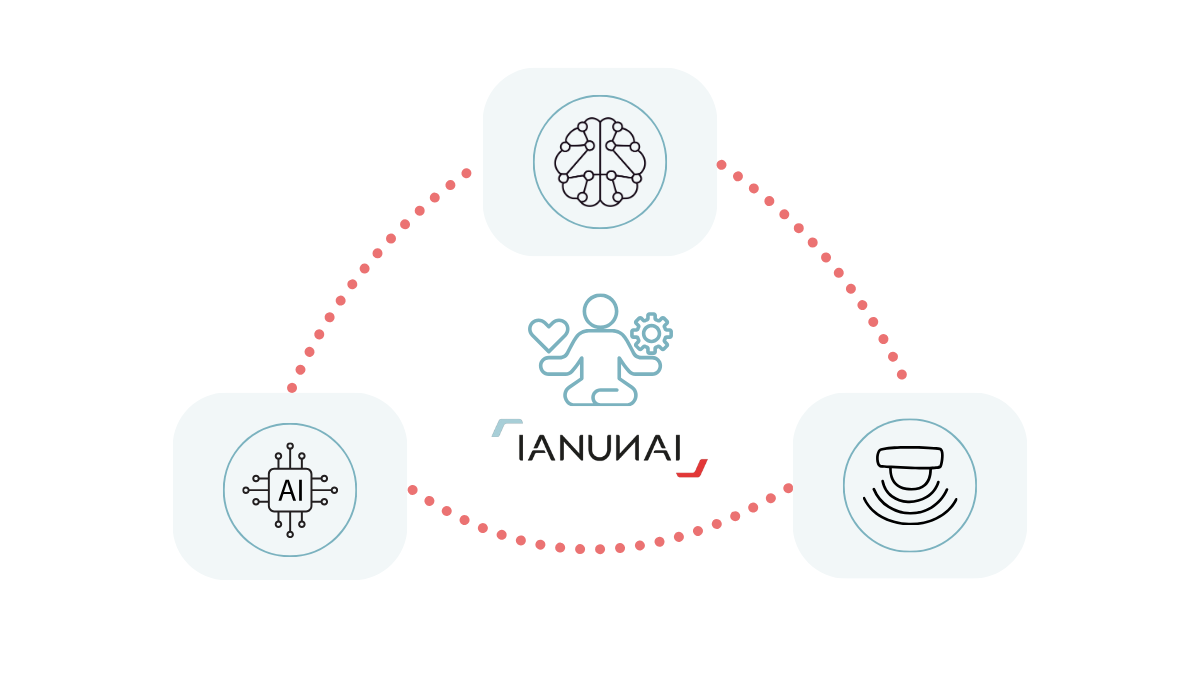
At Ianunai, we believe in a form of wellbeing grounded in neuroscientific evidence and supported by professionals — made concrete through data and AI-driven coaching.
This approach combines three essential elements:
- Individual awareness – listening to personal signals
- Qualified professional support – interventions based on real expertise
- Scientific evidence – decisions and improvements driven by data
The goal is not merely to improve wellbeing “on paper,” but to make it measurable, accessible, and truly transformative in the everyday lives of professionals, teams, and organizations.
Wellbeing is not a universal, static goal; it is a dynamic journey that varies from person to person. For this reason, any effective strategy must be personalized, based on real data, and supported by experts — without ever losing sight of the human element at the heart of every meaningful experience.
Would you like to explore how to put these principles into practice within your organization? We can help you design a concrete, strategic, and genuinely people-centered approach. Get in touch!