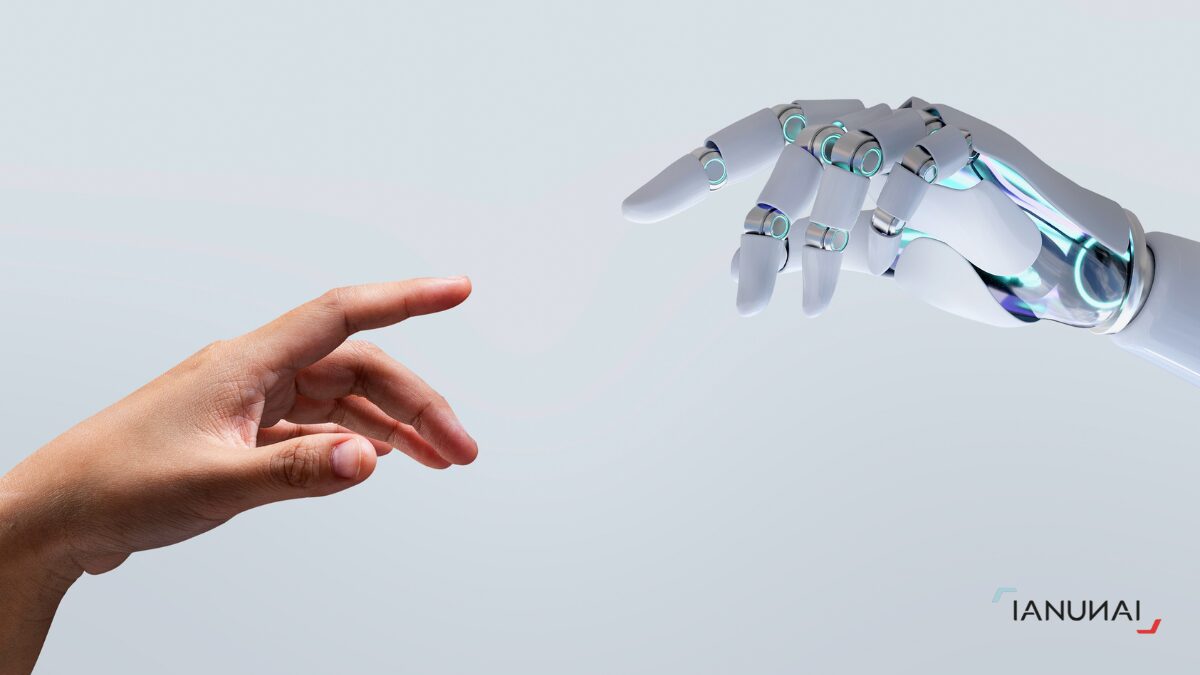
AI is changing the way we work. But not always in the way we imagine.
In many contexts, it boosts productivity, speeds up processes, and simplifies complex activities. It automates repetitive tasks, supports decision-making, and enables organizations to operate with greater speed and precision.
At the same time, however, the number of tasks to manage, the required speed, and the cognitive load on people are all increasing.
It’s an increasingly evident paradox: technology that helps, and work that intensifies.
The impact of AI on corporate productivity
In recent years, the introduction of artificial intelligence into organizational settings has delivered tangible benefits.
This has transformed the very concept of performance: it is no longer tied only to the amount of work completed, but to the ability to manage complexity and speed.
However, increased productivity does not automatically translate into better working conditions.
The paradox of technology: less operational effort, greater mental load
While AI reduces manual effort on the one hand, it increases the density of work on the other.
People must adapt to new tools, make decisions more quickly, manage continuous flows of information, and coordinate with increasingly pervasive digital systems.
This creates a form of cognitive stress that isn’t always visible, yet deeply affects the quality of work. The mind is constantly active, exposed to stimuli, notifications, data, and demands for immediate responses.
The risk isn’t limited to burnout. Over the medium term, reduced attention, information overload, and difficulty maintaining clear decision-making can emerge. Continuous learning—now essential—also contributes to increasing the density of work.
Source: HBR
Designing sustainable organizations in the age of AI
The real challenge is designing organizations where performance remains sustainable even as everything accelerates.
Integrating AI requires a shift in perspective: it means understanding the human impact of new tools, monitoring cognitive load, and observing how people’s day-to-day experience is changing.
Technology becomes a true competitive advantage when it is designed around human work rather than simply layered on top of it.
Skills and adaptation: the real capital of the future
The future of work will require people who can evolve alongside organizations, not just technology.
Among the most relevant skills are:
- critical thinking
- complexity management
- decision-making in uncertain contexts
- continuous learning
- digital and cognitive awareness
It’s increasingly about being able to use AI tools while also understanding their impact on the way we work.
Sustainable performance: the new challenge for companies
The most advanced organizations are already grappling with a crucial question: how can high performance be maintained without increasing the human workload?
Organizational sustainability is becoming a strategic priority. It is not only about wellbeing, but about the ability to ensure continuity, decision quality, and adaptability over time.
Because the future of work won’t simply be more productive. It will be denser, faster, and more demanding.
And it will require companies capable of integrating technology and the human dimension in a thoughtful, intentional way.
Ianunai was created with this very goal: to foster a concrete meeting between artificial and human intelligence, supporting companies through a complex transformation process.
Ianunai supports companies in introducing artificial intelligence technologies by integrating them with work design, skills development, and the evolution of organizational models. A guided path to integrate AI in a fast, effective, and sustainable way, while keeping the human dimension of performance at the center.
Because the value of AI is not measured by productivity alone.
It is measured by the ability to improve work without making it unsustainable.